
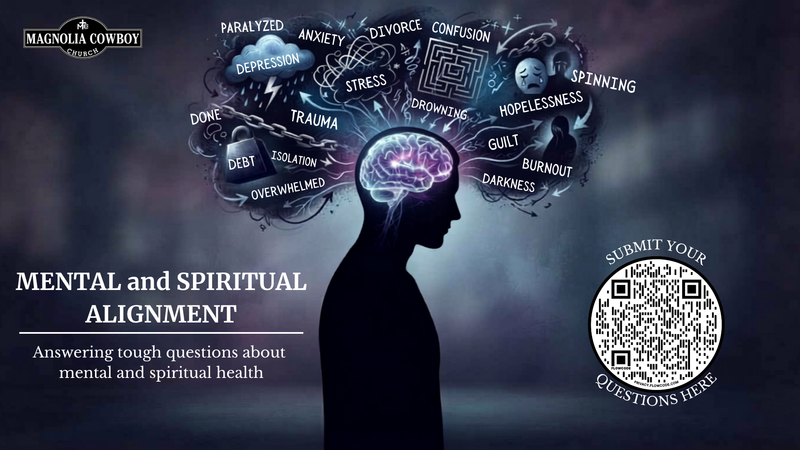
Many people who genuinely love God still find themselves waking up to the same anxiety, depression, or shame they have carried for years. The reason is rooted in how the brain works. Every repeated experience builds a neural pathway, and the most traveled pathways become automatic defaults. These deeply worn mental roads are what the Bible calls strongholds, mindsets that cause a person to accept as unchangeable something that contradicts the truth of God's Word. They whisper things like 'I will always be this way' or 'my past defines me,' and they keep people stuck even when their faith is real.
The good news is that both science and Scripture agree: the brain can change. Neuroplasticity is the biological capacity to build new mental connections, and for believers, the Holy Spirit brings supernatural power to that process. Romans 12:2 promises that transformation comes through the renewing of the mind, and Ephesians 4:22-24 describes the practical reality of putting off the old self and putting on the new. Renewing the mind is not passive. It requires actively replacing old narratives with biblical truth, speaking that truth out loud, and building new habits through Scripture memorization, journaling, and engagement with Christian community.
Joseph's story in Genesis offers one of the most powerful examples of this kind of transformation. Despite being betrayed, enslaved, falsely accused, and forgotten, Joseph refused to let his trauma define his future. His declaration in Genesis 50:20, that what others intended for harm God intended for good, is a model for how surrendered pain becomes purpose. Trauma does not have to be forgotten to lose its power. Faith does not deny what happened; it defies the hold it has. For those whose pain runs especially deep, seeking help from a Christian therapist is not a sign of weak faith but an act of wisdom, because healing consistently happens in honest community.